Skip to content

Application to purchase requirements

custom labels on a roll

A custom labels on a roll search becomes useful only after the intended fill, line and shipping use are written down. This page turns those uses into RFQ constraints: destination, pack-out and document needs that change the quote even when the die line looks similar.

Request Factory Quotes

Buyer uses that change the RFQ

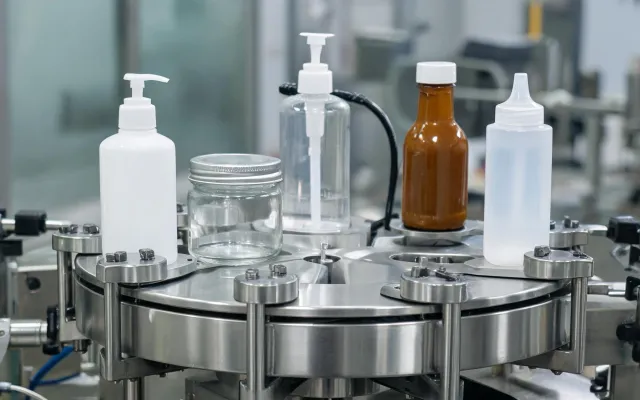
Food and personal-care bottles waiting for wrap labels

Food and personal-care fill

Creams, condiments and leave-on lotions care about whether the label sits against the fill or only on dry glass. Food-contact and migration testing files are requested only for the named facestock, adhesive and lot. This desk does not treat a catalog paper label as already approved for every fill.

Glass versus PET is an open trade-off on wet-strength adhesive. Glass often wants a wet-strength paper; PET often wants a clear PP film. The buyer states which path is allowed before factories quote an alternative construction.
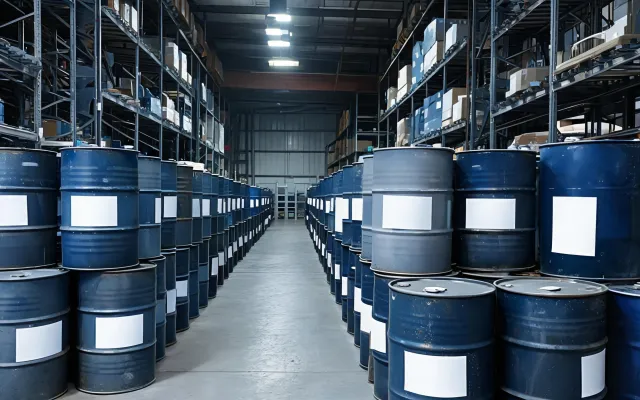
Industrial drums with product identification labels

Industrial and warehouse pack

Solvent or outdoor SKUs often move from paper to vinyl. A food-contact label and a chemical-residue label cannot share the same adhesive history without a written change. Burst strength of the shipper carton (for example 32 ECT single-wall or 275 lb burst double-wall) is a pack-out line, not a label body spec. Flute profile and paperboard caliper belong on the outer carton, not on the die line.

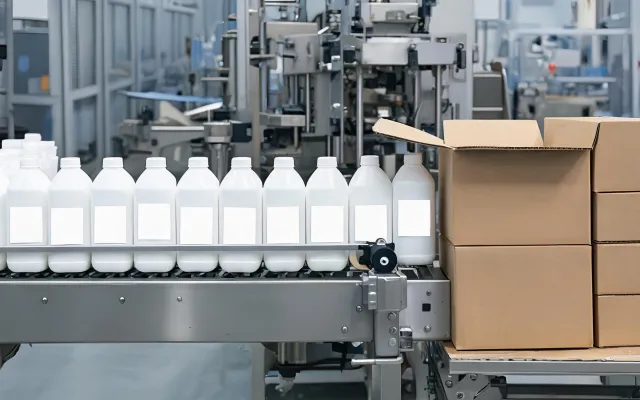
Labeled bottles waiting for case pack

Line trial and ship-to rules

Applicator height, wrap tension and case-pack pattern change when thickness or rewind specification changes. Destination state rules and requested delivery date belong on the same RFQ as the label. Incoming quality reviewers should name which documents they will check before the first receipt.

Mono-material recyclability versus barrier performance appears when a film facestock or liner construction is added. A PE or PP mono-material story can improve recycling reporting; aroma-sensitive or high-barrier fills may still need a foil liner or metallized face. Oxygen transmission rate and water vapor transmission rate belong on that claim only with a named test method. Digital print versus flexographic printing is the other split: frequent artwork changes near 1,000-3,000 pieces often keep plates off the table; a stable 10,000-piece SKU often keeps 4-color or 6-color flexo. The buyer writes which claim and which process are required so factories do not swap constructions silently.

Open inquiry options after the use is named, then send the requirement.

Turn the fill and pack-out into a quote request

Name destination and document checks with the label construction so factories do not quote mixed scopes.

Request Factory Quotes